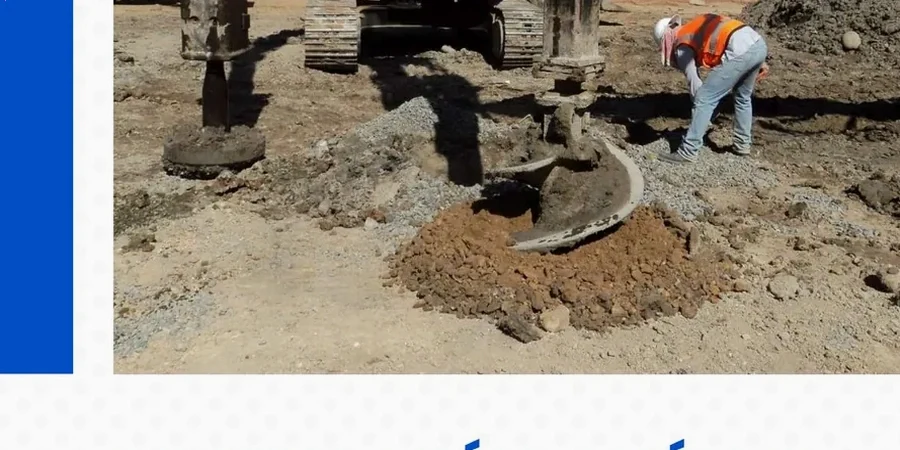
In Nashville, where karst topography and alluvial deposits create unpredictable bearing conditions, IBC Chapter 18 and ASCE 7 geotechnical requirements are not just paperwork: they define whether a structure will perform through decades of seasonal moisture fluctuation. The city sits atop the Ordovician limestone of the Nashville Dome, but near the Cumberland River and its tributaries, soft silty clays and loose sands can extend 20 to 40 feet before reaching competent rock. Standard shallow footings often fail to meet settlement criteria in these zones. Stone column design offers a controlled, cost-effective alternative: compacted gravel columns that reinforce the matrix, accelerate drainage, and transfer load to deeper strata. When we combine this with a CPT test to map the exact depth of refusal, the column layout becomes far more precise than any rule-of-thumb spacing ever could. For sites near Mill Creek or Browns Creek where organic silts complicate the profile, we also rely on grain size analysis to confirm fines content before finalizing the aggregate gradation.
A well-designed stone column grid can reduce total settlement by 40 to 60 percent while cutting foundation costs compared to deep piling in Nashville's alluvial corridors.