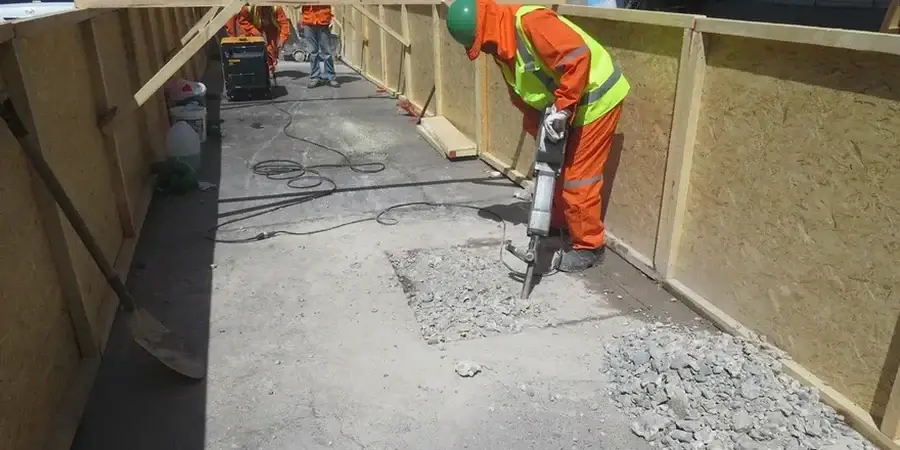
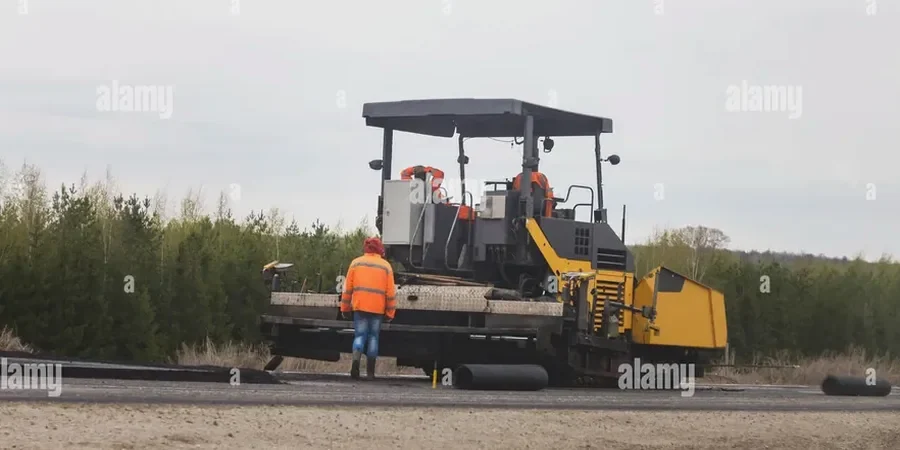
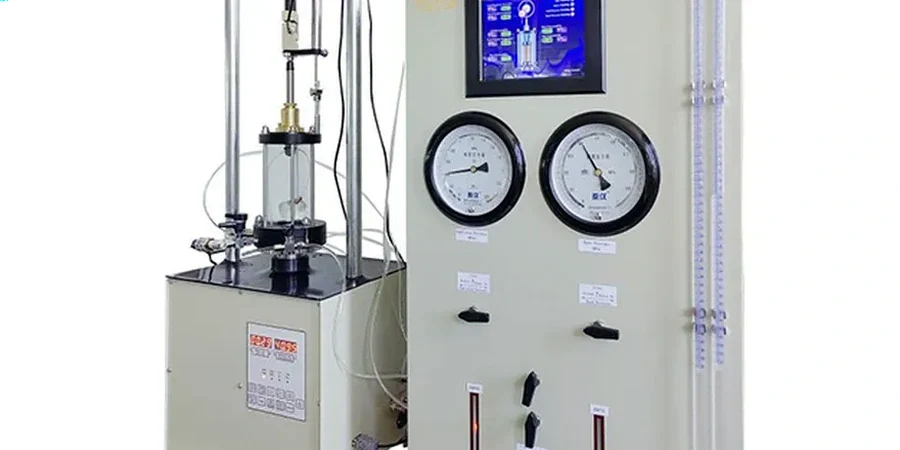
Too many Nashville parking lots and access roads start showing alligator cracking and edge failure within three years. The culprit is almost never the asphalt mix itself—it’s a subgrade that nobody bothered to characterize properly before placing stone. Davidson County sits on a patchwork of Fort Payne cherty limestone residuum and isolated lenses of fat clay that swell hard after a wet winter. When a contractor skips the CBR road subgrade evaluation and assumes uniform support, the pavement section becomes a guess. We see this on medical office builds in Midtown and warehouse expansions out by the airport—where traffic loading is moderate but the subgrade variability is extreme. A flexible pavement design that accounts for Nashville’s actual moisture-sensitive soils, combined with a realistic ESAL projection, changes the lifecycle cost by decades, not years.
In Nashville’s karst terrain, a pavement design is only as good as the subgrade investigation that preceded it—and skipping the CBR is the most expensive shortcut.