GEOTECHNICAL ENGINEERING
NASHVILLE

Geotechnical Engineering in Nashville

Practical geotechnics, field-tested.

LEARN MORE

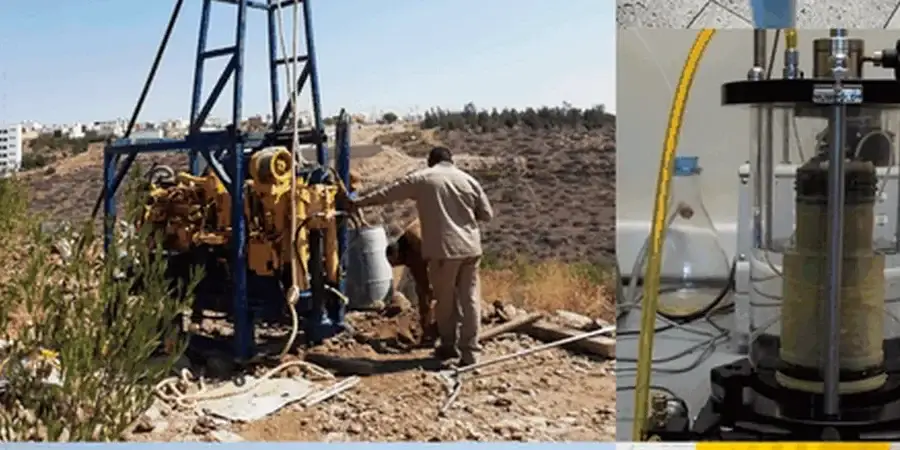
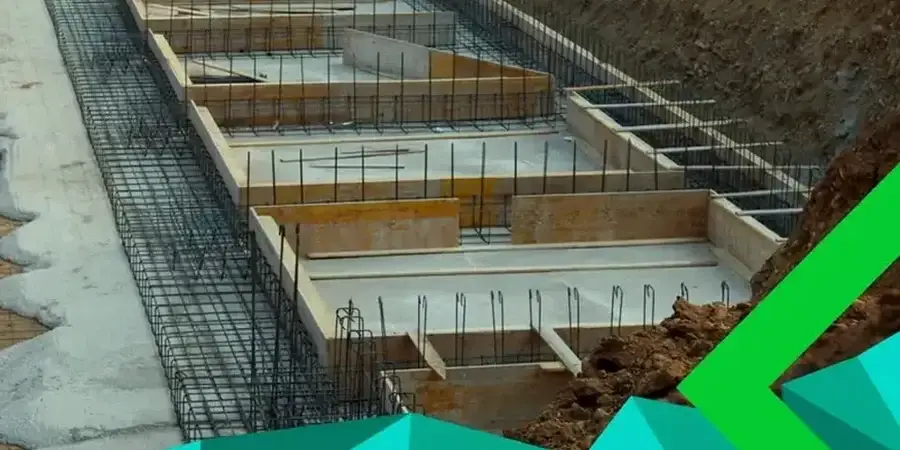
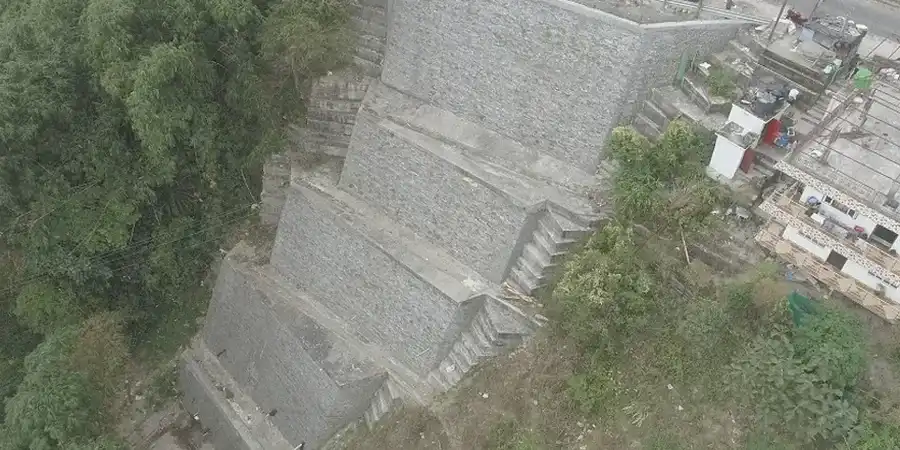
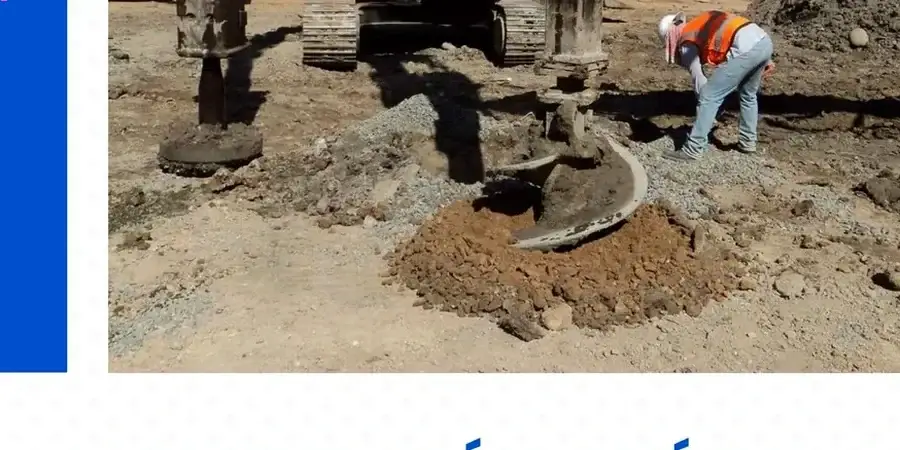
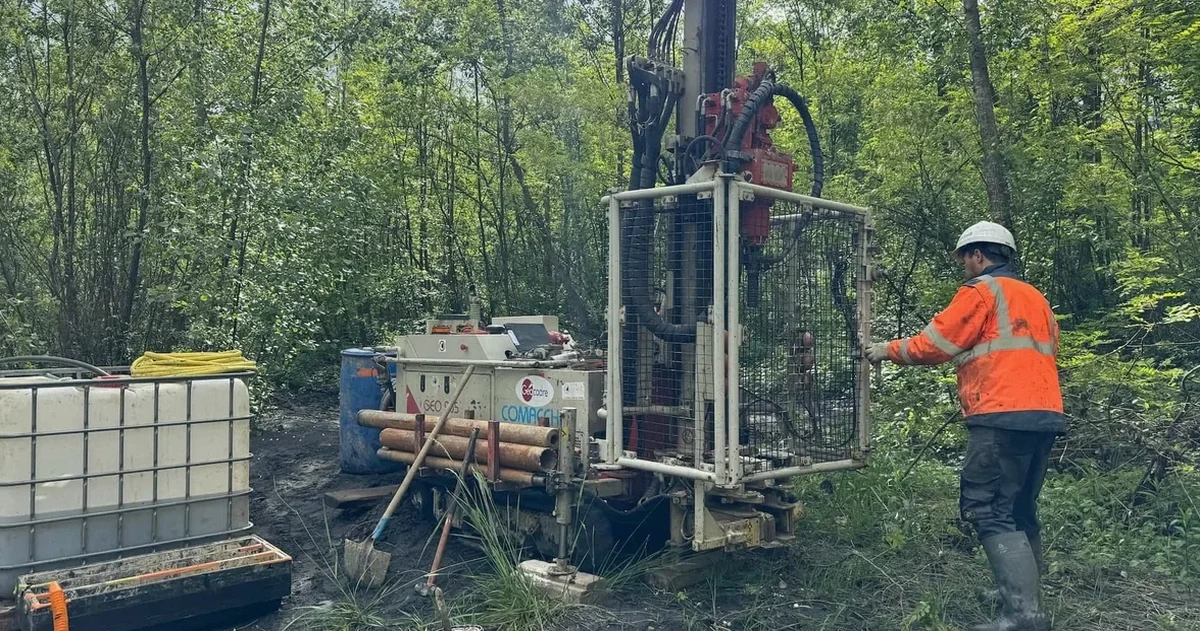
Nashville’s rapid urban expansion across the Ordovician limestone formations of the Central Basin creates a unique geotechnical setting where residual clay, chert fragments, and deep alluvial pockets coexist within a single construction site. The humid subtropical climate accelerates weathering of the underlying carbonate bedrock, producing stiff fissured clays that exhibit significant volume change potential. A comprehensive soil mechanics study is the only reliable method to characterize these variable subsurface conditions before designing shallow or deep foundations. Our team integrates field data from the SPT drilling with advanced laboratory classification to define strength parameters, compressibility, and drainage behavior for each stratigraphic unit encountered below the planned structure.

Nashville’s residual clays can lose over 60% of their undrained shear strength when disturbed—intact sampling technique determines whether your foundation design is safe or speculative.
Geotechnical Engineering in Nashville
Technical reference — Nashville

Our service areas

Local geology

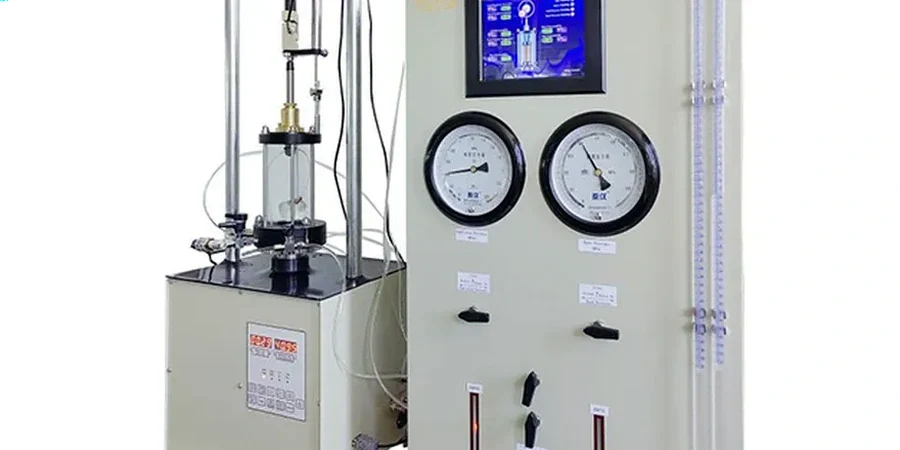
The geotechnical evolution of Nashville’s built environment reflects decades of adaptation to karstic hazards and variable residuum thickness over the Lebanon Limestone and Ridley Limestone members. A complete soil mechanics study in this region must reconcile particle-size distribution from the grain size analysis with Atterberg limits to establish the plasticity characteristics of the fat clays that dominate construction sites along the Cumberland River terraces. We perform consolidated-undrained triaxial shear tests to derive effective stress parameters and one-dimensional consolidation tests to calculate settlement magnitudes under structural loads. The interpretation framework follows ASCE 7-22 for seismic site classification and IBC 2021 for allowable bearing pressure determination, ensuring foundation designs meet local code requirements without excessive conservatism that drives up construction costs.

Regulatory framework

IBC 2021 – Chapter 18 for soils and foundations, ASCE 7-22 – Seismic site classification and ground motion parameters, ASTM D1586 – Standard Penetration Test (SPT) and split-barrel sampling, ASTM D2487 – Classification of soils for engineering purposes (USCS), ASTM D4767 – Consolidated-undrained triaxial compression test on cohesive soils

Need a geotechnical assessment?

Reply within 24h.

Email: contact@geotechnicalengineering.biz

Why choose us

A seven-story mixed-use development in the Gulch area encountered unexpected soft silty clay lenses at 5 meters depth beneath a stiff desiccated crust, a stratigraphic trap that regional borehole logs had not predicted. The original design assumed a bearing capacity of 190 kPa based on nearby data, but our soil mechanics study revealed undrained strengths below 45 kPa in the soft layer, triggering a redesign from spread footings to a pile foundation socketed into competent limestone. Differential settlement across the building footprint would have exceeded 40 millimeters without this intervention. Nashville’s karst terrain demands a rigorous investigation protocol because solution cavities and highly variable rockhead elevations can concentrate structural loads in ways that uniform soil models fail to capture, leading to serviceability failures even when ultimate limit states appear satisfied.

Reference parameters

ParameterTypical value
Undrained shear strength (Su) of Nashville clay35 to 120 kPa depending on depth and weathering grade
Effective friction angle (φ') for limestone residuum26° to 32° from CIU triaxial testing
Compression index (Cc) for alluvial terrace soils0.18 to 0.35 based on one-dimensional consolidation
Site class per ASCE 7-22C or D, determined via shear wave velocity or SPT N60 profiles
Swell potential classificationModerate to high in upper weathered zone (PI > 25%)
Bedrock depth range in the Central Basin2 to 20 meters, with pinnacled rock surface common

Questions and answers

What does a soil mechanics study include for a typical Nashville commercial building?

The scope begins with a subsurface investigation using SPT borings advanced to bedrock or competent bearing strata, followed by laboratory testing for moisture content, Atterberg limits, grain size distribution, unconfined compression, and consolidation. We interpret these data to provide allowable bearing capacity, anticipated total and differential settlement, lateral earth pressures for basement walls, and the seismic site class per IBC 2021.

How do Nashville’s karst conditions affect the soil mechanics study approach?

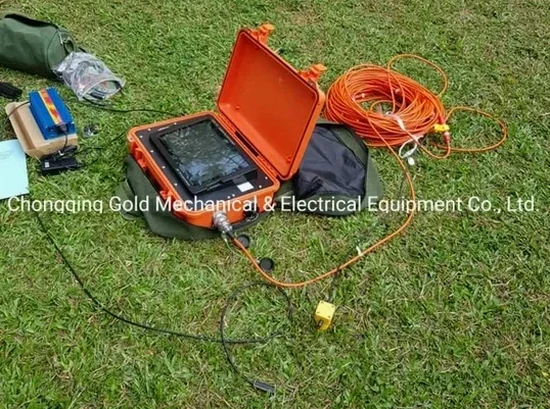
Karstic limestone with solution cavities and erratic rockhead requires closer borehole spacing than non-karst sites, often supplemented by electrical resistivity imaging to detect voids. We specify rock coring at selected locations to confirm competence below the soil-rock interface and evaluate the risk of sudden collapse or differential settlement caused by pinnacled bedrock geometry.

What is the typical cost range for a soil mechanics study in Nashville?

For a commercial or multi-family project in the Nashville area, a complete soil mechanics study including drilling, laboratory testing, and engineering report typically ranges from US$3,480 to US$4,860, depending on the number of borings, depth to bedrock, and the laboratory test program complexity.

How long does it take to complete the study and receive the geotechnical report?

Fieldwork including drilling and sampling takes one to three days for most Nashville sites. Laboratory testing requires an additional two to three weeks for consolidation and triaxial tests to reach completion. The final engineering report with foundation recommendations is delivered within four weeks of field mobilization, assuming no weather delays.

Can a soil mechanics study help reduce foundation costs on expansive Nashville clays?

The reference range for this service in Nashville is US$3.480 - US$4.860. The final price depends on the project scope and volume.

Location and service area

We serve projects in Nashville and surrounding areas.

View larger map