GEOTECHNICAL ENGINEERING
NASHVILLE
HomeLaboratoryAtterberg limits

Atterberg Limits Testing in Nashville: Liquid, Plastic & Shrinkage

Practical geotechnics, field-tested.

LEARN MORE

In Nashville, the clay that makes the soil so sticky in Green Hills after a hard rain is the same clay that dictates your foundation depth. We see it all the time. A soil sample looks solid in the field, but the plasticity index tells a different story. The Atterberg limits test measures the moisture content where fine-grained soil changes from solid to semi-solid to plastic to liquid. That transition range controls shrink-swell potential, bearing capacity, and trench stability. For engineers working in the Central Basin or the Highland Rim, these numbers are not optional. We run the tests per ASTM D4318 in our lab, often combining them with a grain size analysis when the sample has enough sand to skew the hydrometer result. The goal is simple: give you the liquid limit, plastic limit, and plasticity index within 48 hours so your geotech report does not stall.

A plasticity index over 25 on a Nashville clay means you design for movement, not just load.
Our service areas

Our approach and scope

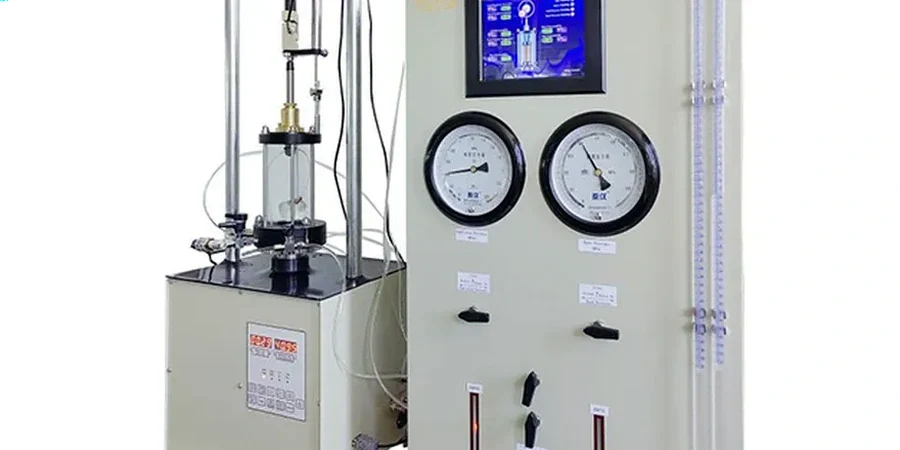
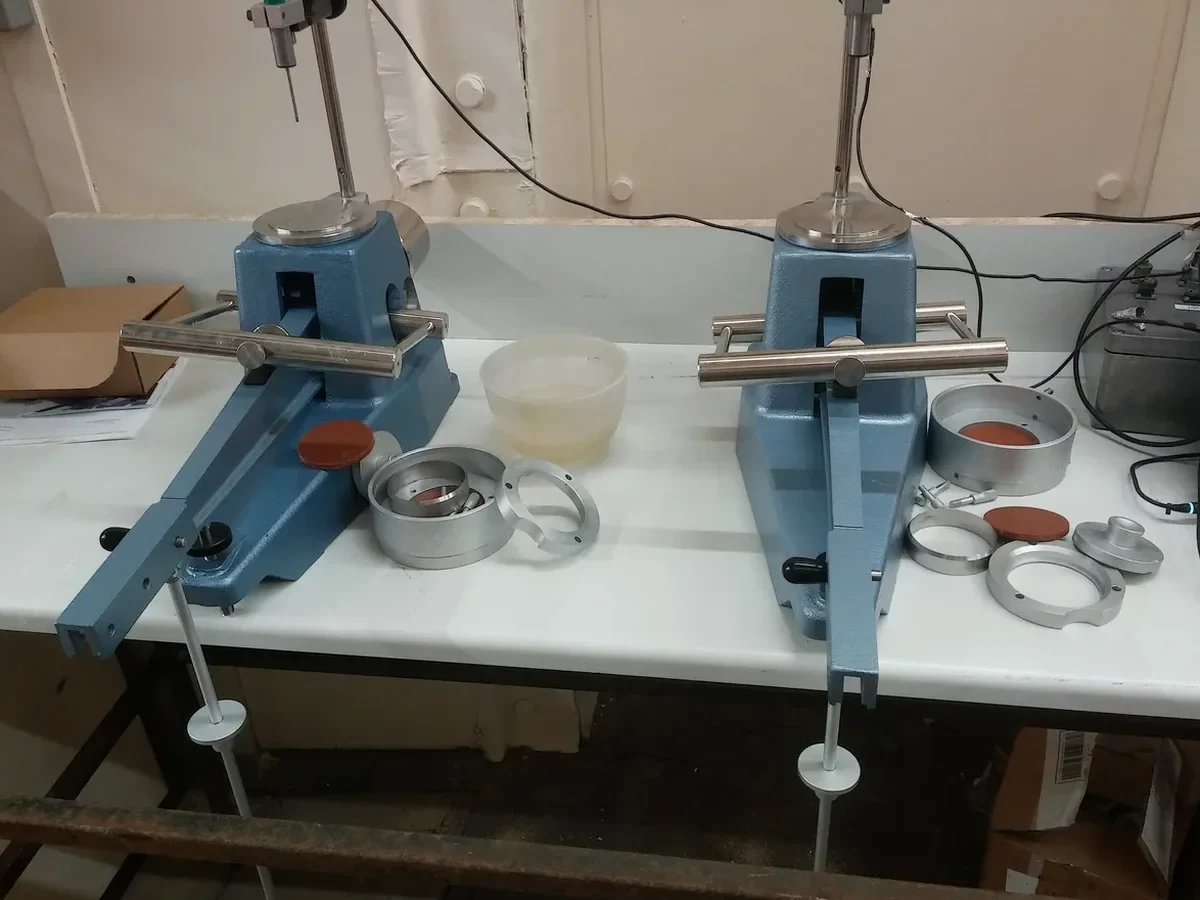
Soil behavior changes block by block in this city. A project in East Nashville near the Cumberland River floodplain encounters soft alluvial clays with high liquid limits. Drive 15 minutes south to Brentwood and you hit the silty clays of the Harpeth River valley. Same county, completely different Atterberg results. The liquid limit test uses the Casagrande cup and the fall cone method for confirmation. We record the number of blows to close a standard groove, then oven-dry to get the moisture content. The plastic limit is tested by hand-rolling soil threads at 3 mm diameter until they crumble. The difference between those two numbers is the plasticity index. A PI above 25 in Nashville almost always means a potential for significant volume change. That is where the triaxial shear test becomes useful for modeling how the soil will behave under load at different moisture conditions. USCS classification per ASTM D2487 is the standard output we deliver.
Atterberg Limits Testing in Nashville: Liquid, Plastic & Shrinkage
Technical reference — Nashville

Local ground factors

Nashville sits on a mix of Ordovician limestone and thick residual clays, with alluvial deposits along the Cumberland. When these clays have a high plasticity index, they expand when wet and shrink when dry. That seasonal movement cracks slabs, pushes basement walls inward, and opens joints in pavement. The Atterberg limits test is the cheapest way to quantify that risk before you pour concrete. A liquid limit above 50 combined with a PI over 30 puts the soil in the CH group—fat clay. Fat clay requires overexcavation, lime stabilization, or a structural slab design. Skipping this test on a commercial build in Davidson County is a mistake that costs six figures to fix after the first dry summer. The IBC references these values directly for foundation design parameters.

Need a geotechnical assessment?

Reply within 24h.

Email: contact@geotechnicalengineering.biz

Regulatory framework

ASTM D4318 - Standard Test Methods for Liquid Limit, Plastic Limit, and Plasticity Index of Soils, ASTM D2487 - Standard Practice for Classification of Soils for Engineering Purposes (Unified Soil Classification System), IBC Chapter 18 - Soils and Foundations

Reference parameters

ParameterTypical value
Liquid Limit (LL)Reported as moisture content (%)
Plastic Limit (PL)Moisture content at 3 mm thread crumbling (%)
Plasticity Index (PI)LL minus PL
MethodCasagrande cup & Fall cone (ASTM D4318)
Sample Mass Required200 g passing No. 40 sieve
Shrinkage LimitAvailable upon request (ASTM D4943)
Liquidity Index (LI)Computed from natural moisture content

Questions and answers

What do Atterberg limits tell me about Nashville clay?

The liquid limit and plastic limit define how much water the clay can hold before it flows or crumbles. In Nashville, a high plasticity index means the soil will move with seasonal moisture changes. That data goes straight into your foundation design to decide if you need to remove the soil, stabilize it, or design a stiffer slab.

What is the typical cost for Atterberg limits testing?

For a standard liquid and plastic limit test on one sample, plan on a range between US$50 and US$110. The exact figure depends on whether you need the full index suite with a hydrometer and sieve analysis, and how many samples you send in. We quote per batch for multi-boring projects.

How long does a test take and what do I need to ship?

We turn around a standard Atterberg test in 48 hours from receipt. Rush service is available. Ship at least 200 grams of air-dried soil passing the No. 40 sieve in a sealed plastic bag. Include the boring number, depth, and project name. We send the report by email the moment it is reviewed.

Location and service area

We serve projects in Nashville and surrounding areas.

View larger map