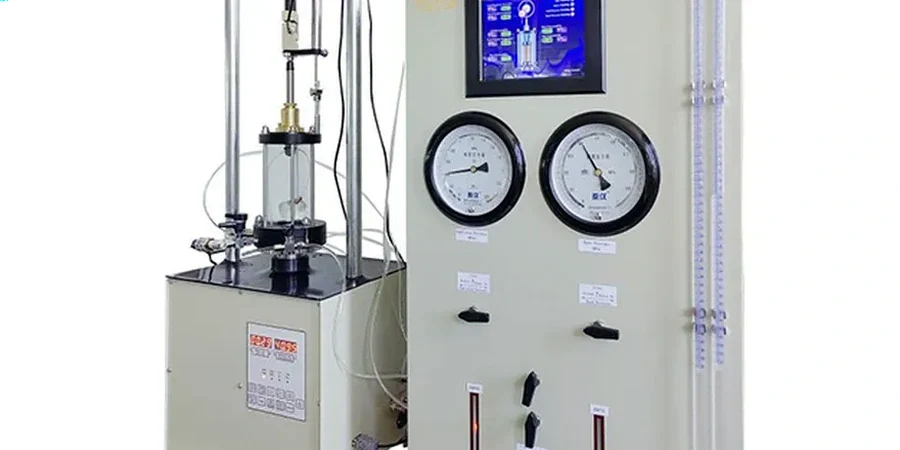
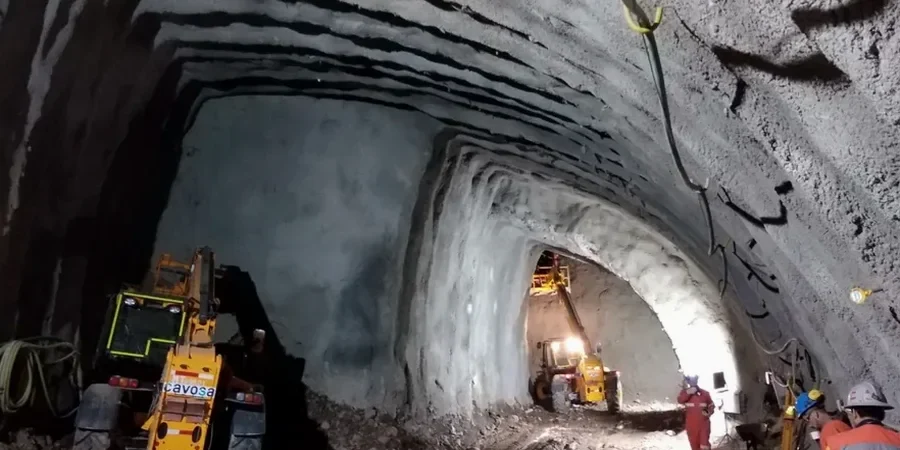
Nashville sits in the Central Basin, where Ordovician limestone weathers into deep, sticky clay residuum. That clay, combined with a water table that can sit just 8 to 12 feet below the surface in the downtown loop and Midtown, turns any underground excavation into a careful balance of face stability and groundwater control. We run the lab tests and field programs that answer the two questions every contractor asks before mobilizing a TBM: how fast will the ground stand up, and how wet is the face going to be. Because soft ground tunneling here isn’t a textbook case — it’s a site-specific puzzle where a single unconsolidated lens can shift the risk profile. Before committing to a cutterhead or a support class, the in-situ permeability profile and Atterberg limits from Shelby tube samples give you the real numbers the design actually needs.
Nashville’s basin clay can stand up for hours or ravel in minutes. The difference is a proper undrained shear strength profile before the first ring is built.